

I wanted to make a handline reel from a sweetgum tree I felled over a year ago. The log had been sitting, it looked decent, and the idea was perfect on paper: from tree to river—turn the wood into a working tool.
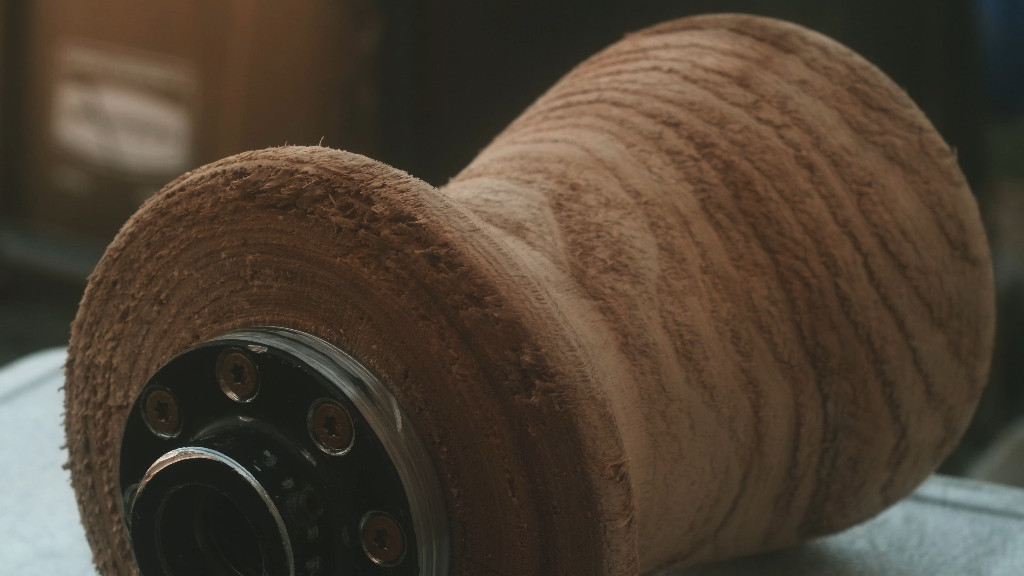
But sweetgum quickly turned this into a materials and failure lesson.
This post breaks down what happened in the shop, why sweetgum is a bad fit for functional handline reels, and how I finish the video by turning a Creek Runner Reel in a Fieldcraft finish as a practical example of what a stable reel wood looks like.
The function comes first: a handline reel is a working tool
A handline reel isn’t décor. It’s a tool that has to:
- stay dimensionally stable as humidity changes
- resist cracking and checking over time
- hold hardware and edges cleanly
- feel smooth in the hand (no fuzzy grain, no torn fibers)
If the wood can’t hold those requirements, it doesn’t matter how pretty it looks on day one.
Failure #1: Sweetgum is too fibrous (the “shaggy” problem)
The first issue showed up at the lathe. Sweetgum can be stringy and fibrous, and when you turn it, those fibers tend to tear instead of shear clean. The result is a shaggy surface—that fuzzy, whiskered look that keeps coming back even after sanding.
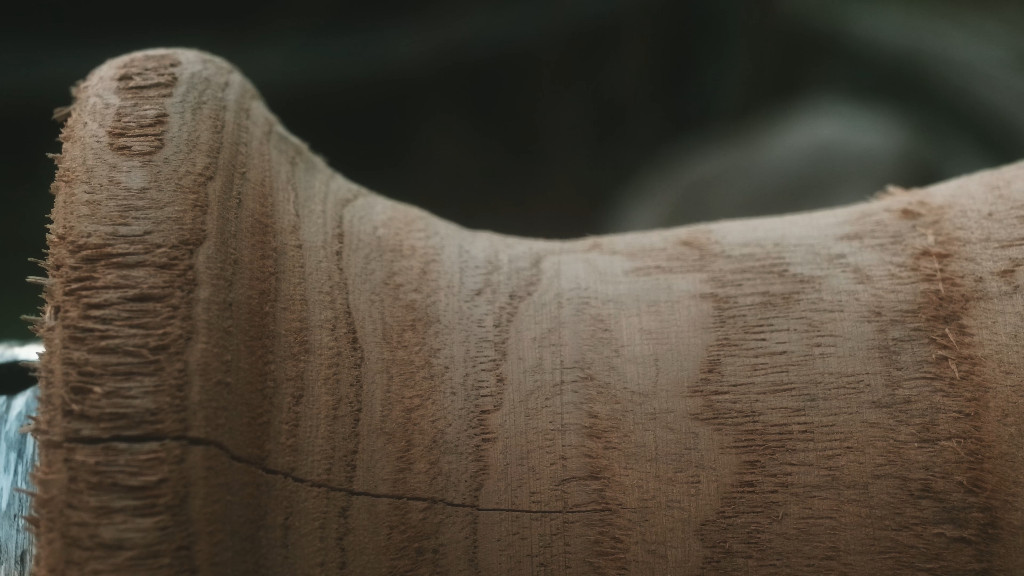
On a reel, that matters. A shaggy surface:
- won’t finish cleanly
- feels rough in the hand
- can trap dirt and moisture
- makes the reel look worn before it ever hits the river
Failure #2: Moisture instability leads to shrinkage and cracks
The bigger problem is movement. Wood expands and contracts with humidity, but some species do it in a way that’s just not friendly to precision parts.
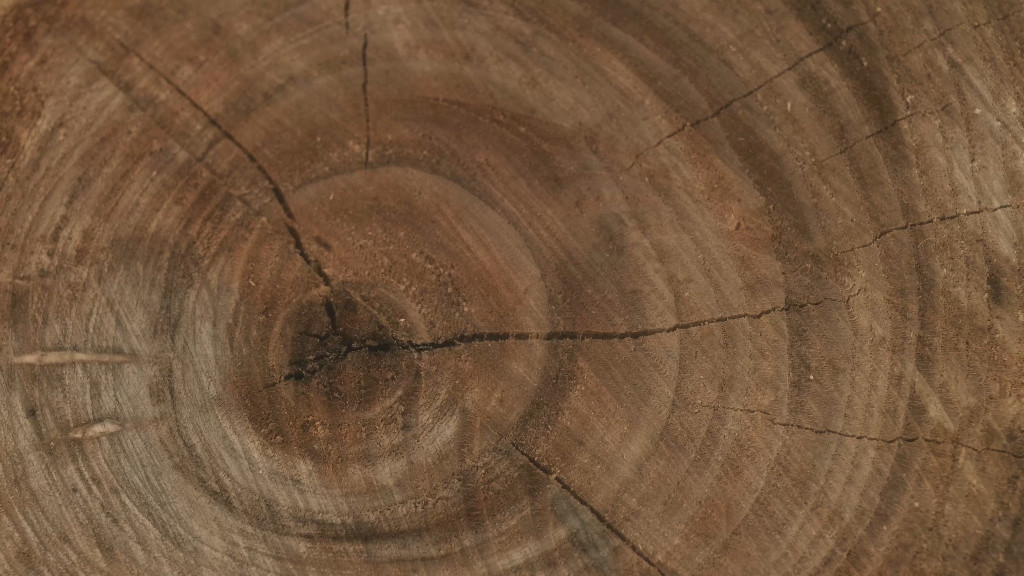
In this build, sweetgum proved moisture-unstable—it wanted to move. That movement showed up as shrinkage and cracking, which is basically the death sentence for a reel blank. A reel can’t be trusted if it’s going to keep shifting as seasons change.
What I do next: switch to a stable wood and build a Cypress Creek Runner Reel
After the sweetgum attempt, I spend the rest of the video doing what I should’ve done from the start: using a stable, reliable wood and building a reel that’s meant to last. Cypress.
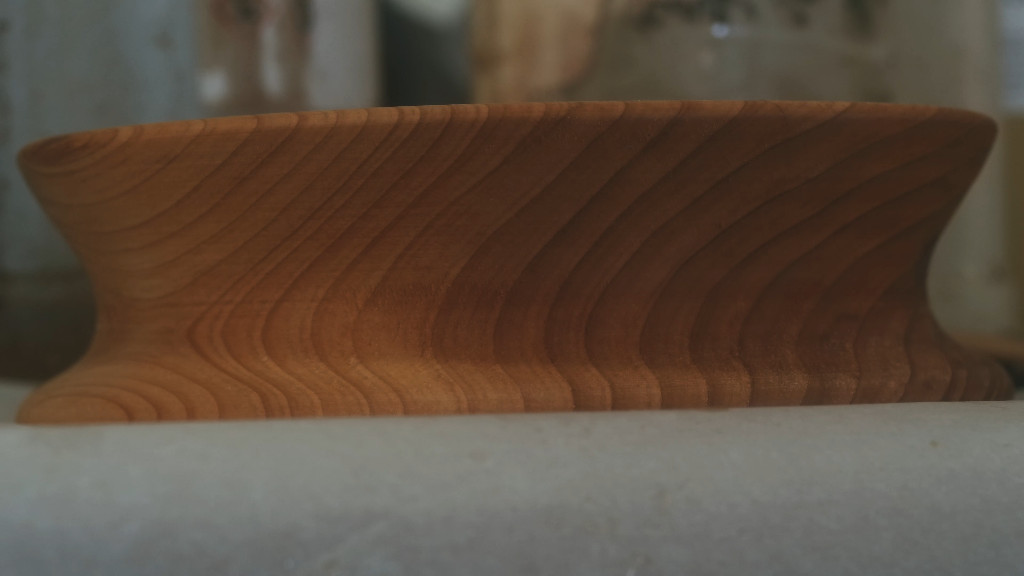
I turn a cypress Creek Runner Reel and apply a Fieldcraft finish—a practical, work-ready finish that fits the whole philosophy of the build: simple, durable, and meant to be used. Cypress grows in the swamps here, is naturally rot resistant, and turns beautifully.
This part of the video isn’t just “here’s a reel.” It’s the contrast that makes the lesson stick:
- unstable wood vs stable wood
- fuzzy torn grain vs clean cut surfaces
- unpredictable movement vs a blank that behaves
Takeaway: materials decide the outcome before you ever touch the lathe
This is the core of Tackle Craft: Materials, Function & Failure—the material has a “vote” in what you’re making. If you choose the wrong wood, you’ll spend all your time fighting it. Choose the right wood, and the craft gets simpler and stronger.
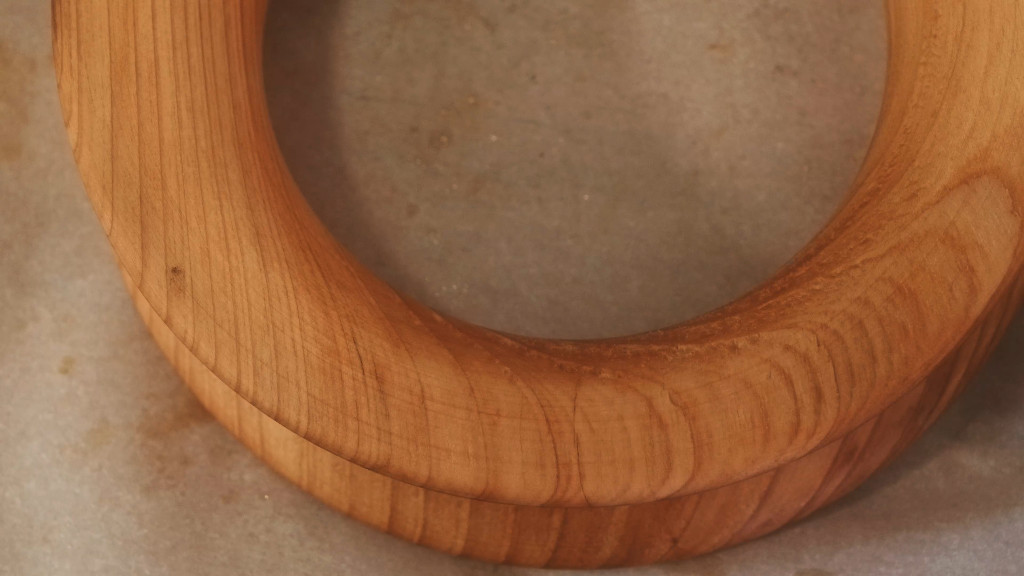
Sweetgum taught the lesson the hard way:
- fibrous structure → shaggy surface after turning and sanding
- moisture instability → shrinkage and cracks
- not suitable (for me) as a dependable handline reel wood
Watch the video
If you want the full shop sequence—what sweetgum looks like on the lathe chuck, how the failure presents itself, and the complete Creek Runner Fieldcraft build—watch the episode here: